
The salvage value is used to determine the value of normal balance an asset, machinery, or even a company. The salvage value can be used to calculate the annual depreciation amount using the straight-line method. This method spreads the total depreciation amount evenly over the useful life of the asset. For instance, if the total depreciation amount is $45,000 and the useful life is 15 years, the annual depreciation amount would be $3,000. Asset Valuation is a crucial aspect of computing depreciation, and it’s essential to understand the different methods and factors involved. Misinterpreting these regulations can lead to incorrect salvage value estimations.
- Sometimes, it’s about predicting the value of the thing when a lease or loan ends.
- The salvage value equation is a crucial tool for businesses to estimate the residual value of an asset after its useful life.
- It’s a narrative that unfolds over the lifespan of an asset, telling the story of its contribution to a company’s mission and its eventual obsolescence.
- Estimate the salvage value of the asset at the end of its useful life, as in the NPV method.
- Calculating salvage value is a multifaceted process that requires careful consideration of various factors.
- From an accounting perspective, the salvage value is subtracted from the cost of the asset to determine the total amount that will be depreciated over time.
- The scrap value may be negative if demolishing a building costs more than the land and the resale of parts.
Net Salvage Value Equation: How to Calculate and Apply

By integrating financial data and automating calculations, Deskera ERP ensures accuracy and consistency in determining salvage values across various asset categories. Incorporating a robust ERP system like Deskera can significantly enhance how businesses manage and calculate Mental Health Billing salvage value. Deskera ERP provides comprehensive asset management features that streamline the tracking, depreciation, and eventual disposal of assets. Also integrating an AI mechanism like ERP.AI to your ERP system can make it smarter by enhancing enterprise process, data governance & decision-making.
- The salvage value equation is a mathematical formula used to calculate the residual value of an asset after its useful life has ended.
- When the project is over, we add the salvage value of asset to the final year’s free cash flow along with recovery of any operating working capital.
- Depreciation is recorded in the income statement, while the cost of the asset is recorded on the company’s balance sheet.
- On the other hand, a lower salvage value may increase the net investment and affect the project’s financial viability.
- The choice of depreciation method and understanding the tax implications of salvage value are essential for strategic financial planning.
- For tax professionals, it determines the correct depreciation deductions, thereby affecting a company’s tax liability.
Asset Type
- By understanding and tracking usage patterns, businesses can make more informed decisions about asset maintenance, replacement, and disposal, ultimately helping to maximize salvage value.
- Salvage value is subject to uncertainty and risk, as it is based on estimates and assumptions that may not materialize or change over time.
- It’s the estimated value of something, like a machine or a vehicle, when it’s all worn out and ready to be sold.
- Sometimes, the thing might be sold as is, but other times, it might be taken apart and the pieces sold.
- To appropriately depreciate these assets, the company would depreciate the net of the cost and salvage value over the useful life of the assets.
- In some cases, salvage value may just be a value the company believes it can obtain by selling a depreciated, inoperable asset for parts.
Salvage value is a foundational component in calculating depreciation, determining how an asset’s cost is allocated over its salvage value is treated as: useful life. Depreciation methods, such as straight-line or declining balance, require the initial cost of the asset and its salvage value to calculate the periodic depreciation expense. By subtracting the salvage value from the initial asset cost, businesses derive the depreciable base, which is then systematically expensed over the asset’s lifespan.
Relate Business solutions and answers
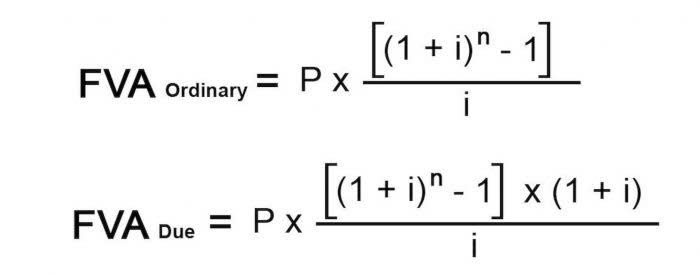
The concept of salvage value is a critical component in the asset lifecycle, influencing not only the financial accounting but also the strategic decisions regarding asset management. Salvage value, the estimated residual value of an asset at the end of its useful life, serves as a key input in calculating depreciation. This, in turn, affects the annual expenses reported on financial statements and has tax implications. From a strategic standpoint, understanding the salvage value helps companies make informed decisions about when to retire, replace, or sell assets to optimize their return on investment. Determining the salvage value of an asset is a critical step in calculating depreciation for accounting purposes.
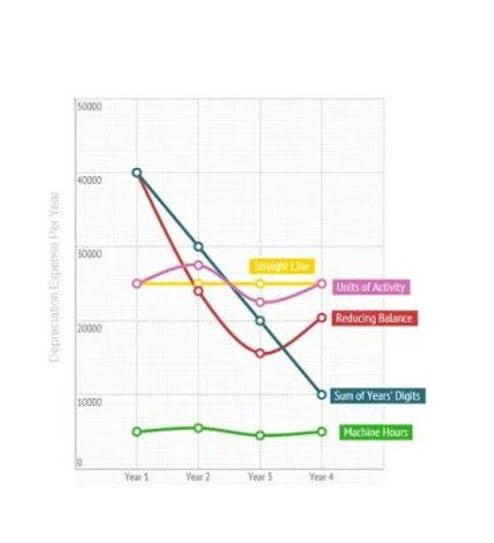
In financial accounting, capital assets or long-term assets, such as machinery, vehicles, and furniture, have a useful life. However, given that a broken down or obsolete asset may still have some residual value, some businesses can dispose of the asset by selling it for its current value. This forecast should consider market conditions, technological obsolescence (are there newer, better versions available?), and expected wear and tear. The salvage value of an asset plays a significant role in depreciation calculations.