Understanding the signs of gambling addiction A guide to awareness and recovery
What is Gambling Addiction?
Gambling addiction, also known as compulsive gambling, is a condition characterized by an uncontrollable urge to gamble despite the negative consequences. It can affect individuals of all ages and backgrounds, leading to severe personal, social, and financial issues. Unlike casual gambling, which can be a fun pastime, gambling addiction is marked by a persistent need to bet larger amounts of money in hopes of winning big, often resulting in significant losses. Many players turn to new betting sites in search of an enhanced experience, but this can sometimes exacerbate their gambling problems.
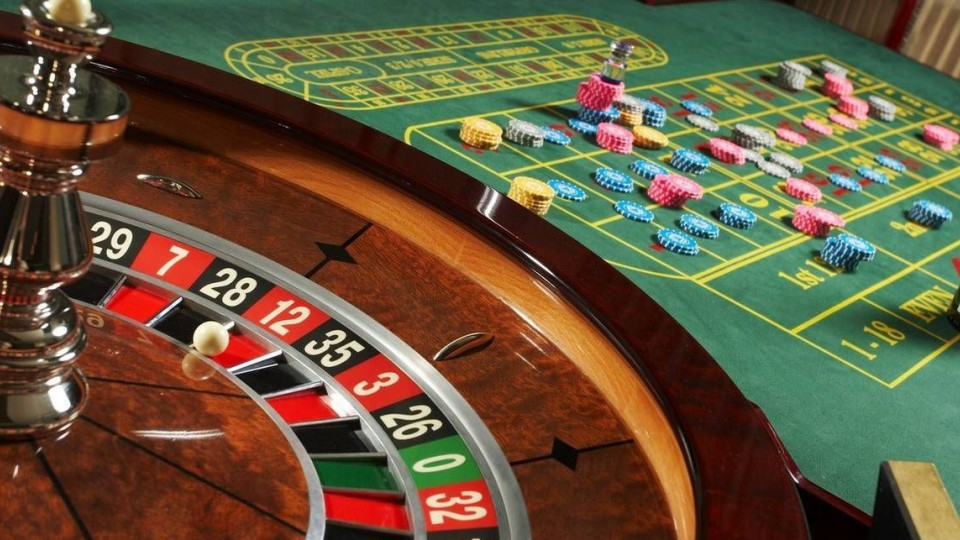
This addiction not only impacts the individual but also affects families, friendships, and communities. Those struggling with gambling addiction may experience feelings of isolation, shame, and guilt, making it challenging to seek help. Understanding this addiction is the first step toward recovery.
Recognizing the Signs of Gambling Addiction
There are several signs that may indicate a gambling addiction. One of the most common symptoms is the preoccupation with gambling, where individuals constantly think about past bets or plan future gambling activities. They may also feel restless or irritable when attempting to cut down or stop gambling, which is a clear indication of dependency.
Another telling sign is the tendency to chase losses. People may believe that by gambling more, they can recover their lost money, leading to a vicious cycle of increased betting and further losses. Other signs include neglecting responsibilities, spending excessive time gambling, and lying about gambling activities to friends and family.
The Emotional and Financial Impact of Gambling Addiction
The emotional toll of gambling addiction can be devastating. Many individuals may experience anxiety, depression, and even suicidal thoughts as a result of their gambling behavior. The stress from mounting debts and strained relationships can create a downward spiral, exacerbating mental health issues and leading to further isolation. In this context, the role of luck vs. skill becomes a significant concern as individuals may overestimate their ability to win.
Financially, gambling addiction can lead to significant losses that affect one’s quality of life. This might include depleting savings, accumulating debt, or even engaging in illegal activities to fund their gambling. As financial stability deteriorates, individuals may find it increasingly difficult to manage everyday expenses, leading to a cycle of desperation.
Pathways to Recovery
Recovery from gambling addiction is possible, but it requires a commitment to change and often involves professional help. Cognitive-behavioral therapy (CBT) has shown effectiveness in treating gambling addiction by helping individuals identify harmful thought patterns and develop healthier coping strategies. Support groups, such as Gamblers Anonymous, provide a community for individuals to share their experiences and receive encouragement.
In addition to professional treatment, creating a supportive environment is crucial. This includes open communication with loved ones and setting strict boundaries regarding gambling activities. Acknowledging the problem and seeking help is the essential first step toward recovery and rebuilding a fulfilling life free from the grip of gambling.
Resources and Support Available
For those seeking help with gambling addiction, numerous resources are available to guide individuals toward recovery. Many organizations offer hotlines, counseling services, and support groups tailored to those affected by gambling addiction. Online platforms also provide valuable information and tools for self-assessment, helping individuals understand their gambling behavior.
Awareness is key to recovery. The more people know about the signs and consequences of gambling addiction, the better equipped they are to help themselves or others. Reaching out for support is a sign of strength and a vital step toward healing and restoration.